University of Westminster (2025/26)
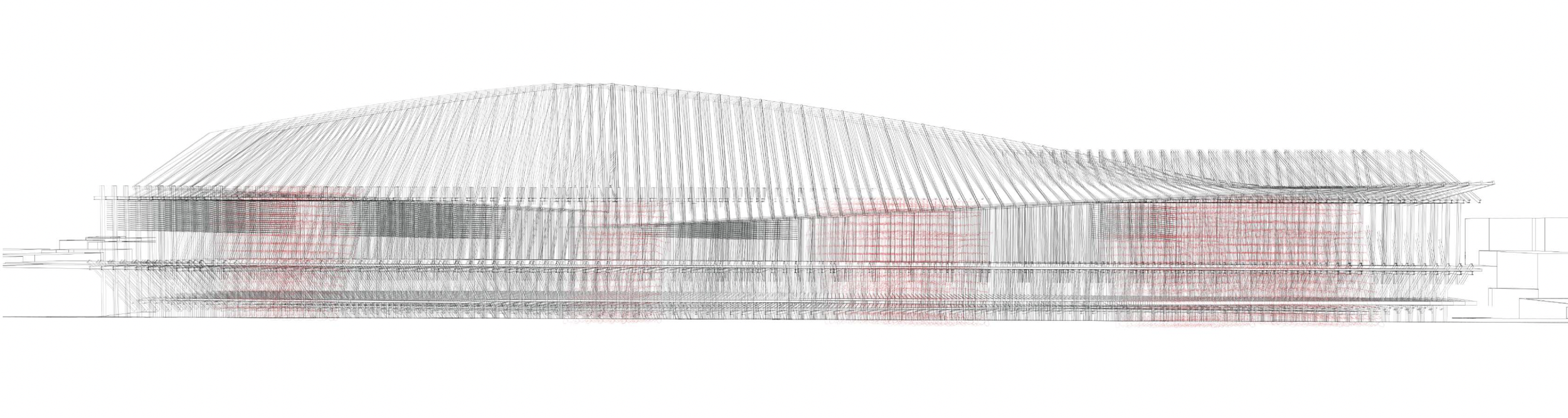
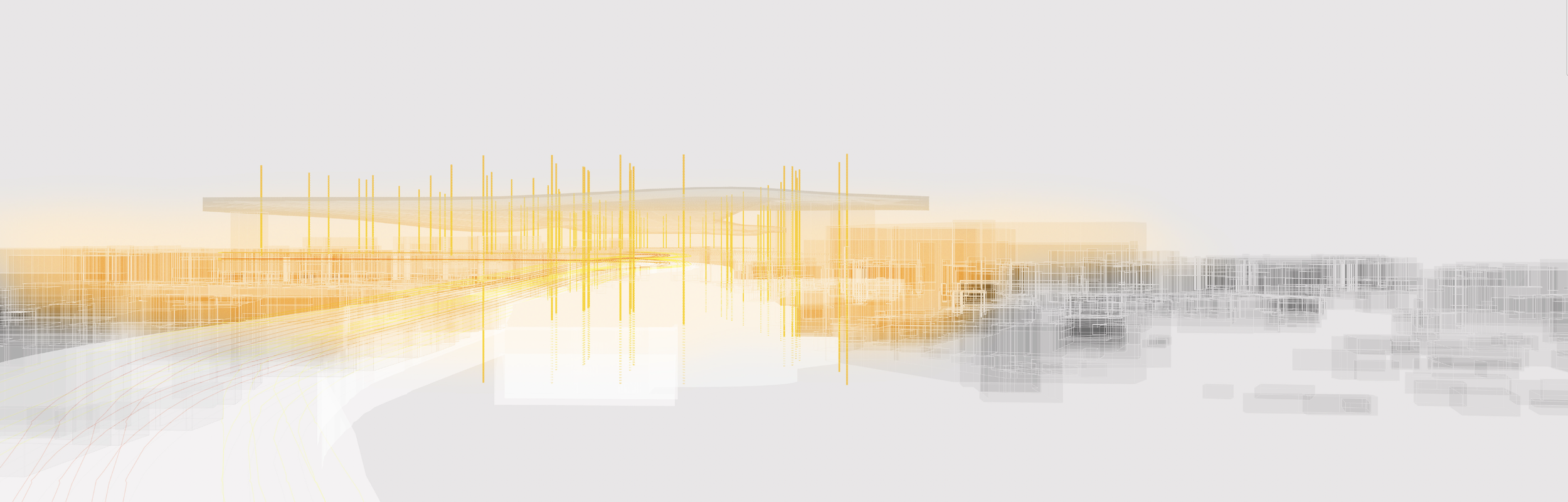
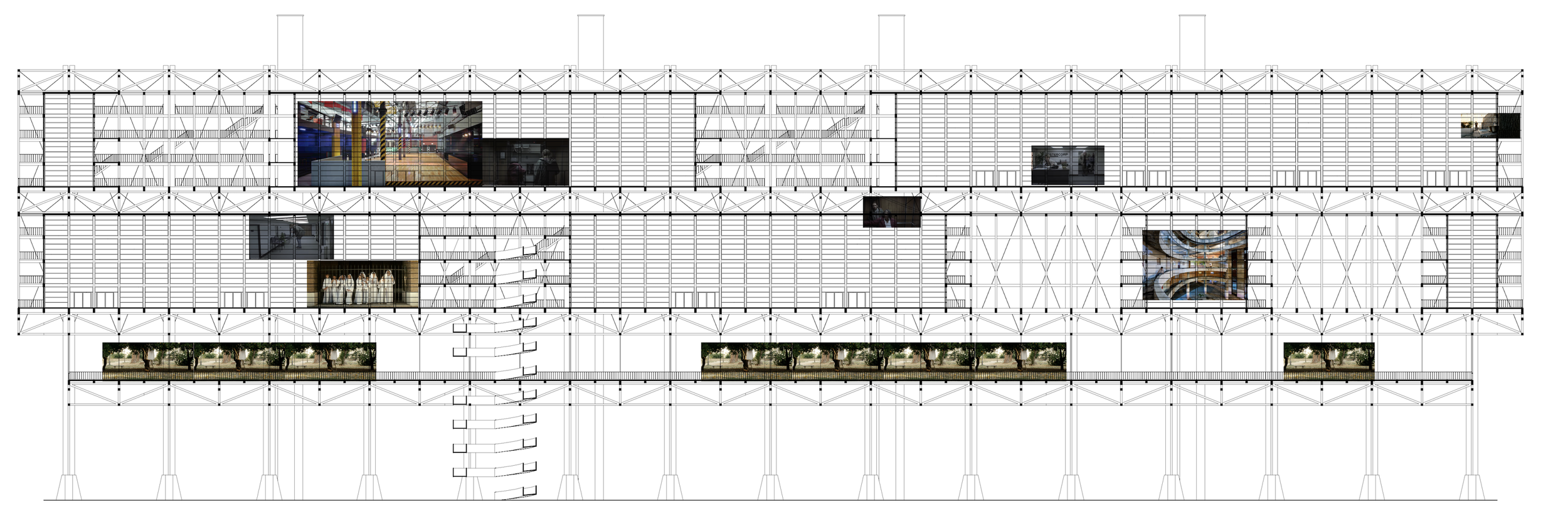
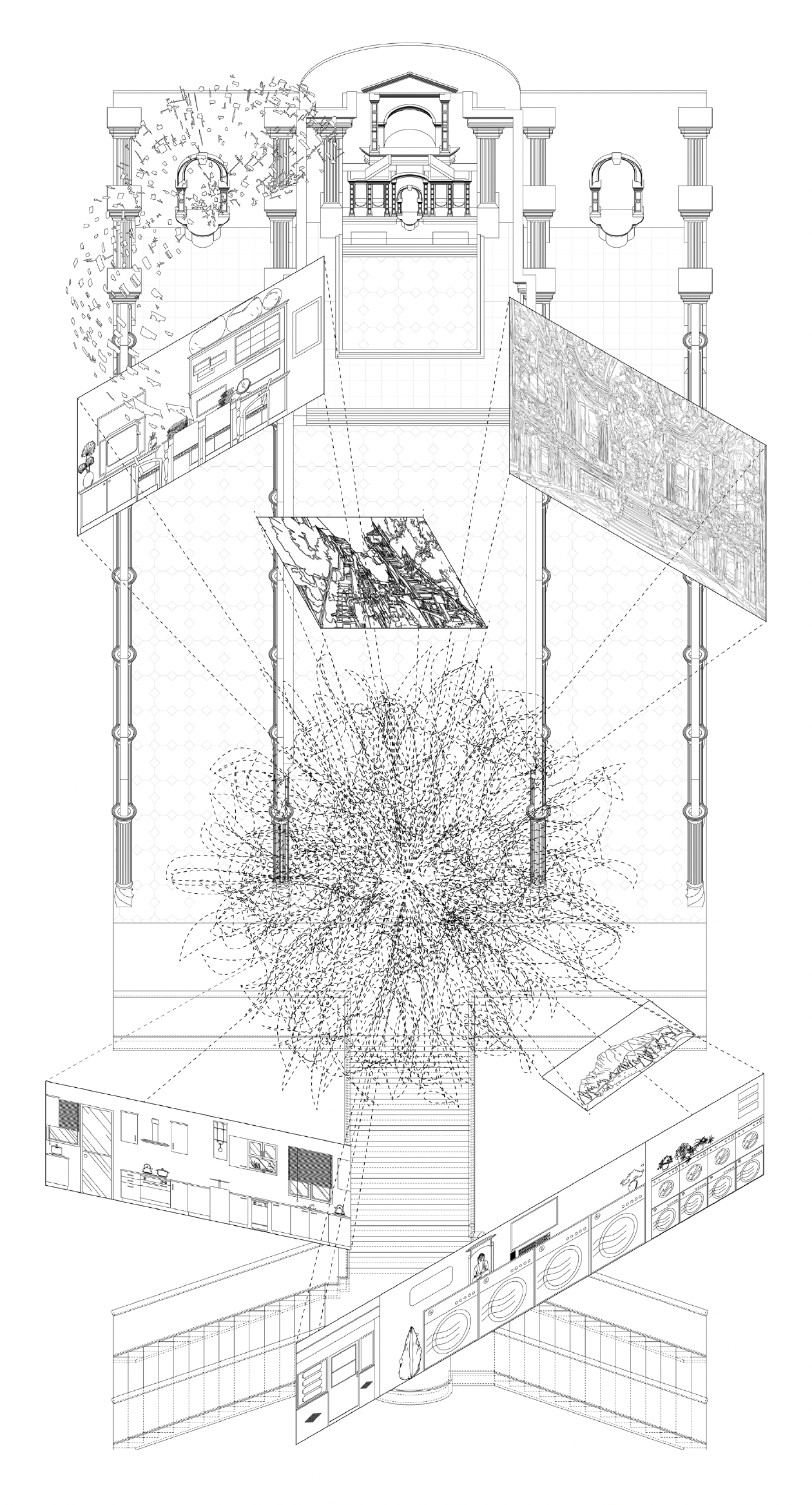
Student work examples, MArch
DS17 was a studio developed and written with Jane Tankard, exploring architecture through film, porosity, the interstitial and the uncanny, and using these ideas to think about how architecture could become more experimental, fragmented and socially engaged. The brief brought together film-making, drawing, model-making, digital work and architectural theory, with a particular interest in how sequences, movement, occupation and changing relationships could challenge the idea of architecture as a fixed object.
The studio was based around an industrial site in East London, where we looked at leftover structures, infrastructure, forgotten spaces and sites under pressure from redevelopment, using the existing conditions to think about memory, occupation, resistance and alternative forms of inhabitation. Students were asked to work with what was already there, including fragments, redundant structures and spaces between buildings, and to develop speculative forms of architecture that could respond to the site without simply reproducing its existing logic.
Film was central to the way the studio operated, both as a way of analysing architecture and as a means of constructing new spatial ideas, with students making sequences, testing movement and developing architectural drawings through cinematic techniques. We were particularly interested in porosity, how boundaries between inside and outside, solid and void, object and environment could become less fixed, and how these ideas could be translated into physical construction, material studies, joints and details.
The brief drew on writers, architects and artists including Cedric Price, Bernard Tschumi, Diller + Scofidio, Beatriz Colomina and Sylvia Lavin, and the studio also brought in conversations with practices and cultural institutions outside the university. The overall ambition was to use film, the uncanny and the existing city as tools for producing architecture that could unsettle familiar assumptions, while giving students space to develop ambitious, strange and highly individual proposals.