University of Westminster (2024/25)
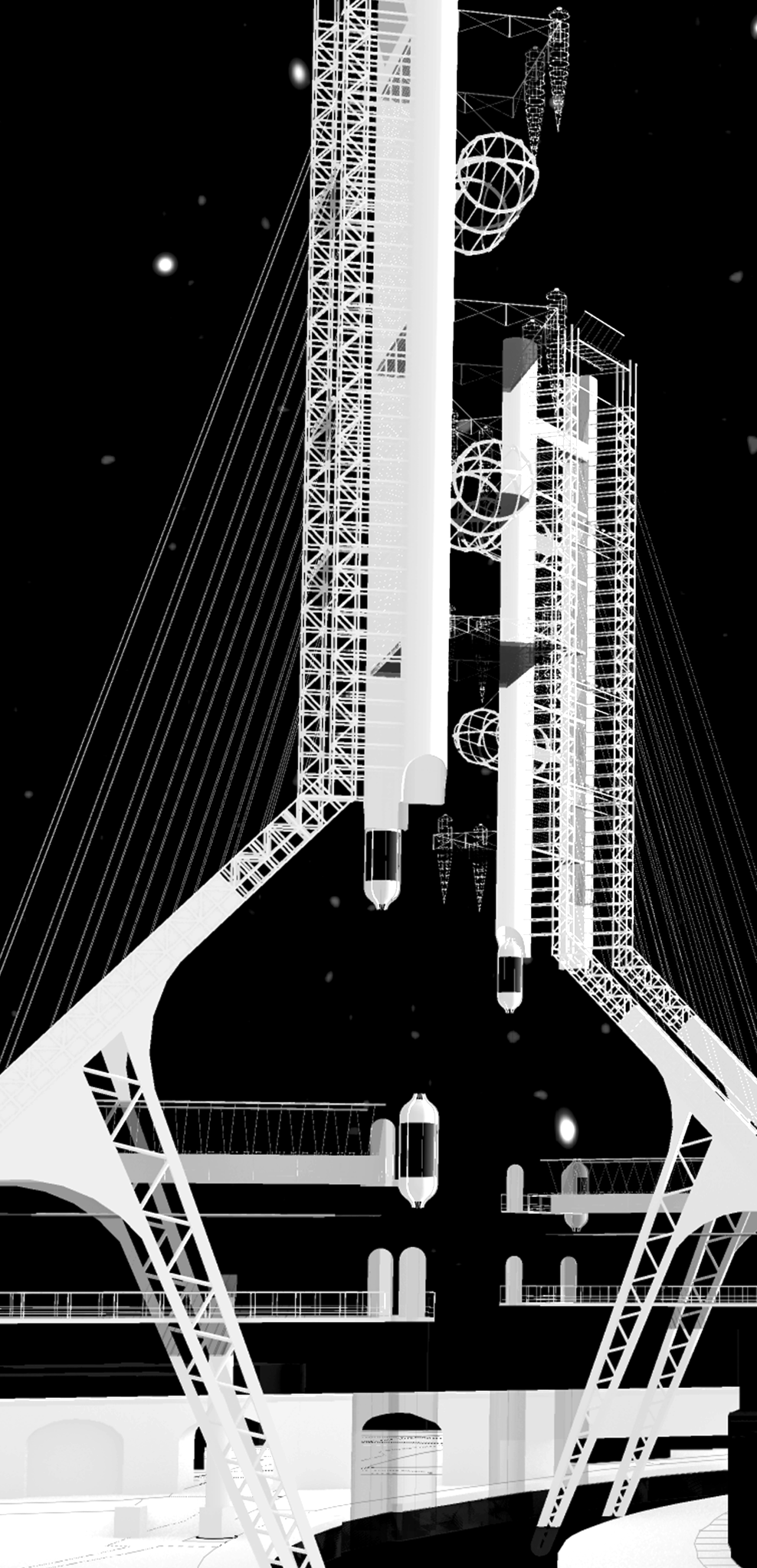
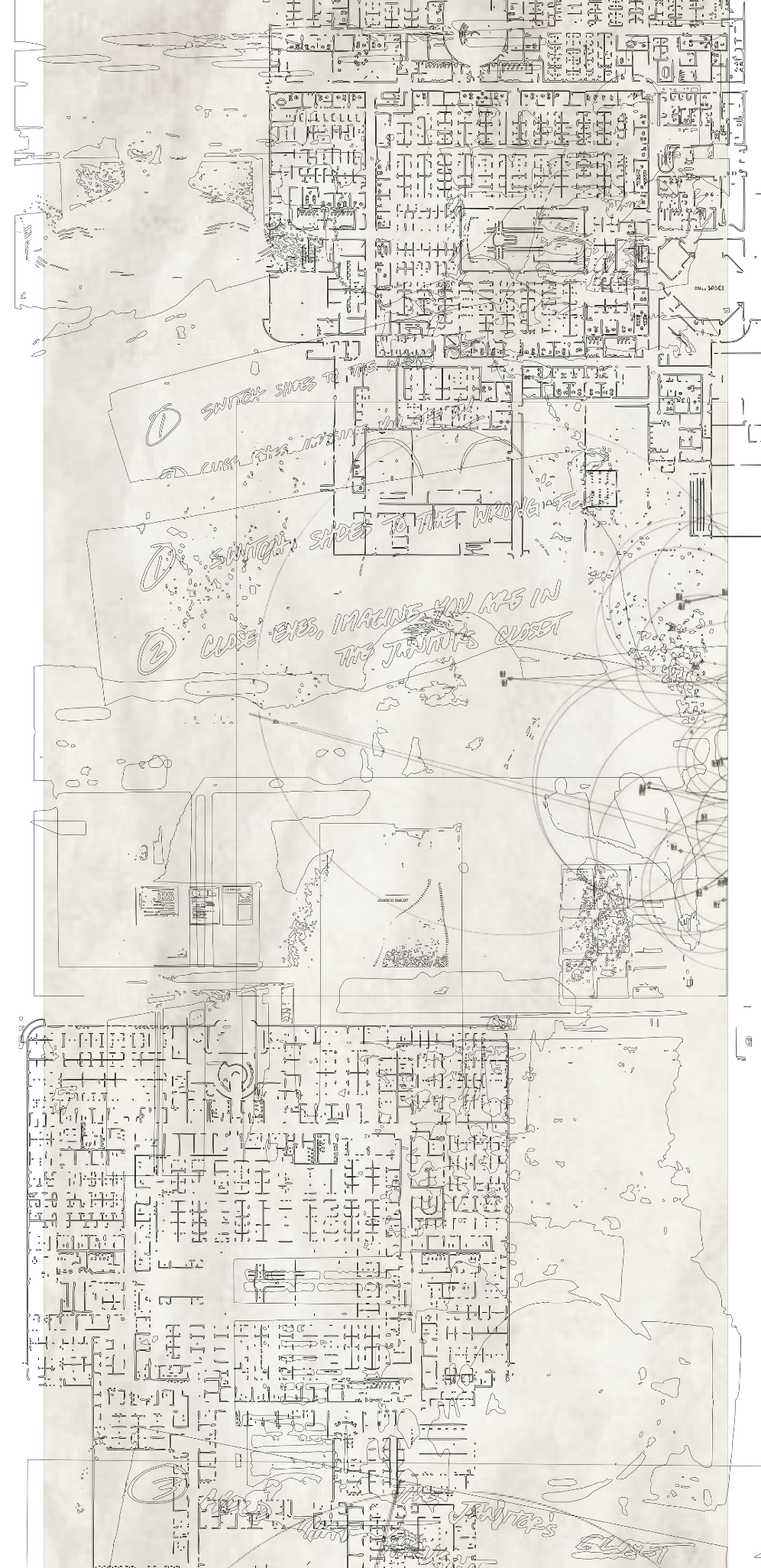
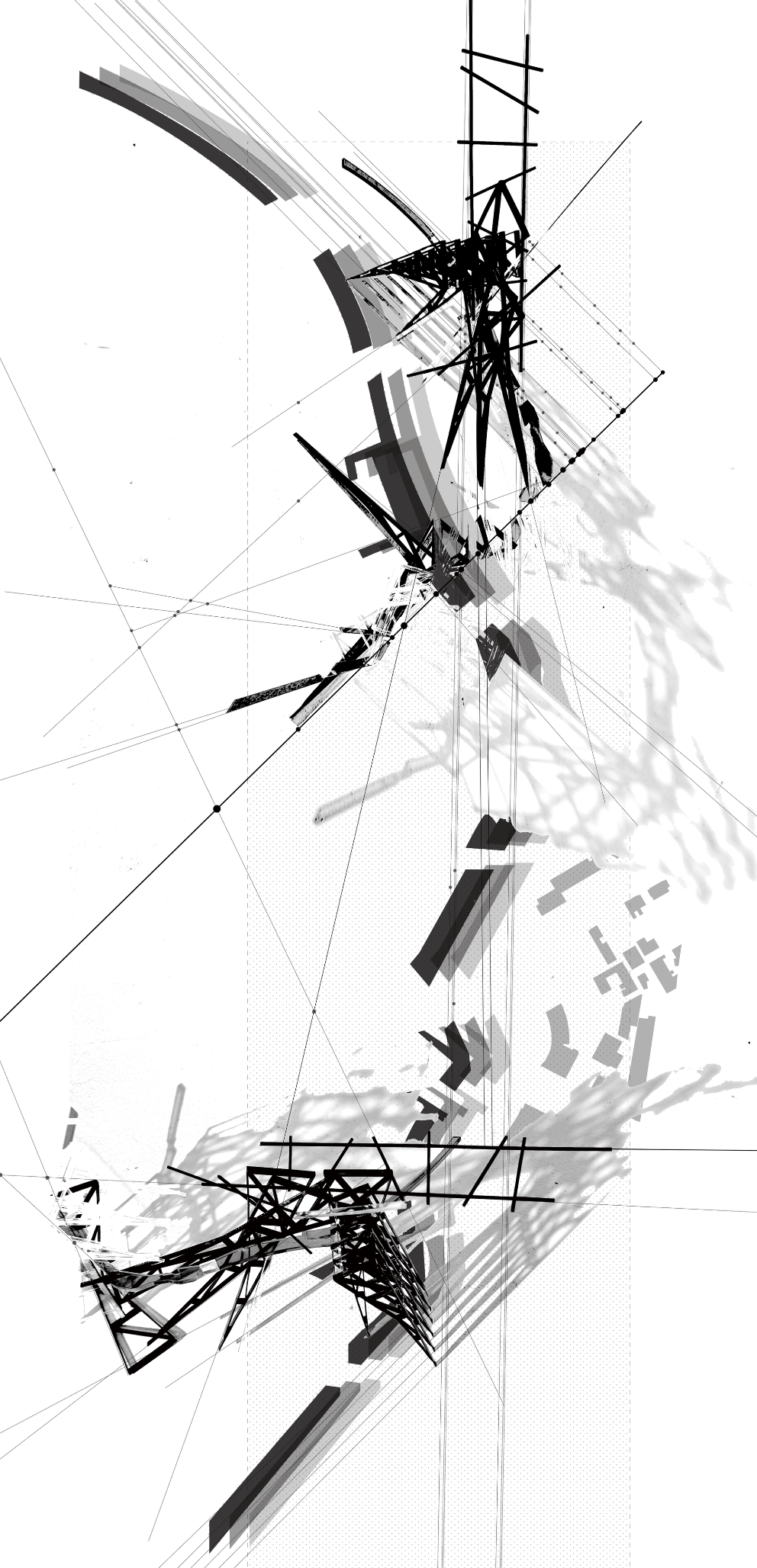
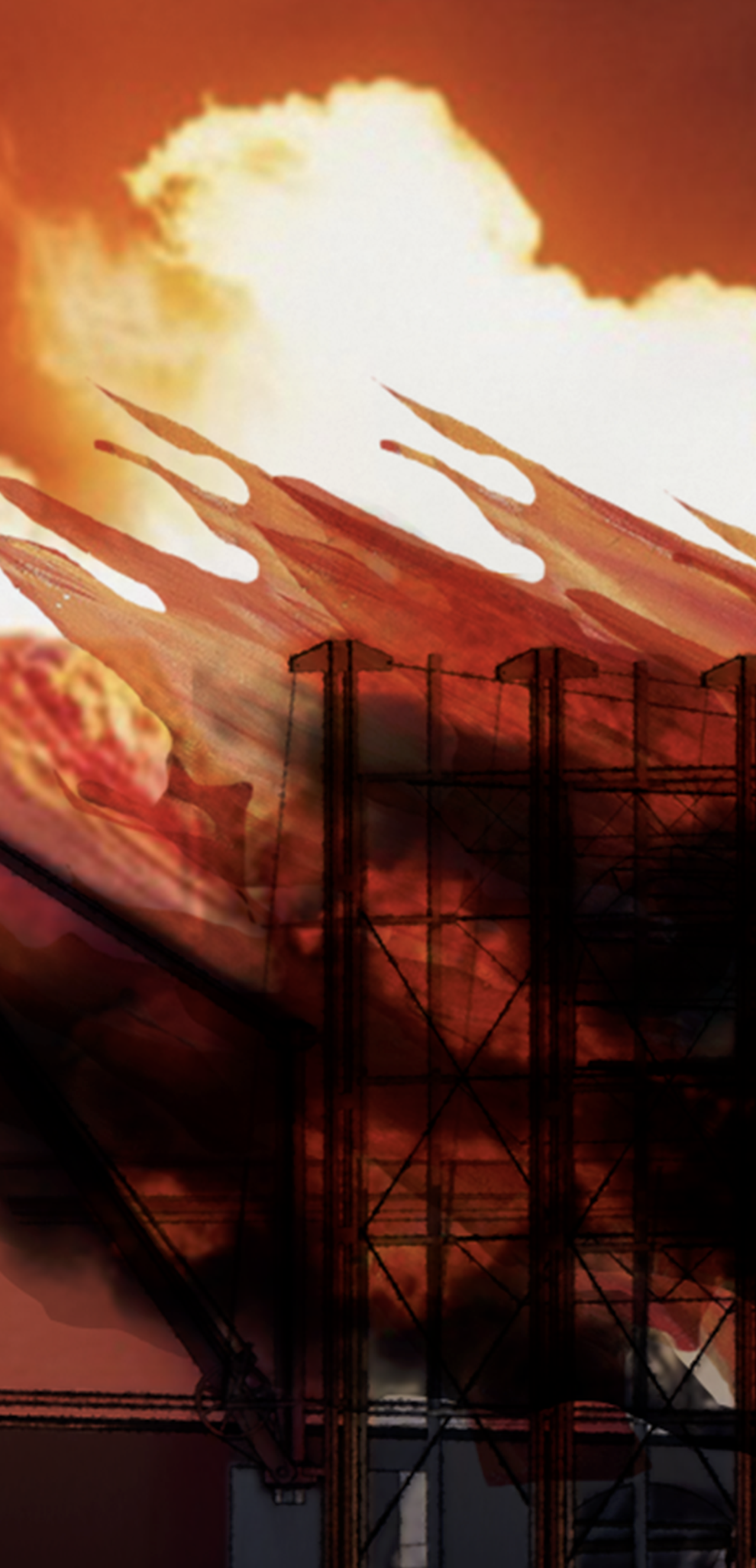
Student work examples, BA
Unheimlich: New Ways of Being was a studio I developed and wrote with Jane Tankard for DS3.1 in 2024–25, exploring how architecture might respond to a world shaped by crisis, instability, technological change and shifting social conditions, using the uncanny as a way of questioning what has become familiar, normalised or taken for granted. The studio began from the idea that architecture could be used to construct alternative futures, asking how spaces might support different ways of living, working and co-existing, and how architectural practice could respond to political, environmental and social pressures through speculation, experimentation and making.
The studio was structured around a series of themes, including utopia, the Unheimlich, scenes and sequences, speculative cities, transformational architectures and urban acupuncture, with students moving between large-scale urban propositions and more specific architectural interventions. We worked across London as a testing ground, using existing urban conditions, infrastructure, public space and changing patterns of occupation to develop proposals that could challenge conventional assumptions about how the city should operate. The work was deliberately hybrid, bringing together analogue and digital drawing, model-making, film, research and architectural analysis, with an emphasis on using these different forms of representation to generate ideas rather than simply communicate finished designs.
A key part of the brief was looking at architecture through variables, sequences and changing conditions, asking how colour, material, scale, geometry, programme, location and time could alter the way a space is experienced. Film and cinematic references were used to construct architectural scenarios, while speculative city-making allowed students to imagine different futures for London, developing projects that could move between the scale of the city, the building and the individual experience. The studio also looked at social space and collective life, particularly through the idea of urban acupuncture, using small interventions and moments of occupation to test how architecture could create new forms of interaction between people, buildings and the city.
The brief drew on a wide range of architectural, cultural and theoretical references, from Cedric Price, Archigram and Superstudio through to Denise Scott Brown, Robert Venturi, Bernard Tschumi, Beatriz Colomina and Sylvia Lavin, alongside films including Blade Runner, Playtime, The Matrix, Moonlight and Everything Everywhere All at Once. Overall, the studio used the uncanny as a way of opening up architectural possibilities, asking students to take familiar urban conditions and make them strange enough to reveal other ways of living, occupying and imagining the city, with the work developed collaboratively through research, drawing, film, models and speculative architectural propositions.